Prepare for School Counselor Licensure:
Complete a CACREP-accredited curriculum that prepares you to pursue a Colorado School Counselor Credential and meets educational requirements for licensure in many other states.*
Up to $30,000 scholarship available for incoming students - no application fee required
Develop the counseling knowledge, practical experience and leadership skills to support P–12 students and advocate for meaningful change in your school community.
| Key Program Features | Core Advantage and Details |
|---|---|
Program | Online Master of Arts in School Counseling |
Accreditation | CACREP-accredited program. |
Licensure Preparation | Leads to eligibility for a Colorado School Counselor Credential and meets educational requirements for licensure in many other states.* |
Learning Approach | Emphasizes skills development, self-reflection, counseling practice and preparation for professional school settings. |
Mission | Prepares future school counselors to become agents of change who serve diverse PK–12 students and communities. |
Prepare for School Counselor Licensure:
Complete a CACREP-accredited curriculum that prepares you to pursue a Colorado School Counselor Credential and meets educational requirements for licensure in many other states.*

Build Real-World Counseling Experience:
Develop practical skills through a 100-hour practicum and 600-hour internship completed in a school near your community, alongside mock counseling sessions and live faculty feedback.

Learn in a Flexible Online Format:
Attend live online classes, collaborate with classmates each week and complete your degree without any required on-campus visits. If you choose, you can also participate in an optional immersion experience in Denver.

Attend a CACREP-Accredited Program:
The University of Denver is institutionally accredited by the Higher Learning Commission (HLC).7
*Licensure requirements vary from state to state. We encourage each student to research and understand the specific requirements for licensure for their state of residence. To determine whether the University of Denver’s Master of Arts in School Counseling program meets the educational requirements for your state, review the University of Denver’s state-specific professional licensure requirements.
| Program Attribute | Details |
|---|---|
Program Accreditation | CACREP-accredited |
Total Credits | 90 quarter credit hours (24 courses) |
Completion Timeline | As few as 22 months (full-time); part-time option available |
Field Experience | 700 total hours (100-hour practicum + 600-hour internship) completed in or near your community |
Learning Format | Online coursework with live, synchronous classes |
On-Campus Requirement | No required on-campus visits; optional immersion experience available |
GRE Requirement | Not required |
Licensure Pathway | Prepares graduates for eligibility for a Colorado School Counselor Credential and meets educational requirements for licensure in many other states* |
Credentialing Exam Pass Rates | 100% (2021–2022, 2022–2023, 2024–2025); 95% (2023–2024) for graduates required to complete a credentialing exam for licensure/certification in their state8 |
*Licensure requirements vary from state to state. We encourage each student to research and understand the specific requirements for licensure for their state of residence. To determine whether the University of Denver’s Master of Arts in School Counseling program meets the educational requirements for your state, review the University of Denver’s state-specific professional licensure requirements.
Jump to:
Careers
Experience
Faculty
Course of Study
Pass Rates
Admissions
FAQs
A Master’s in School Counseling can prepare you for roles across P–12 education and related student support settings. Depending on your credentials, state requirements and employer qualifications, potential career paths include direct counseling, student services, behavioral support and educational leadership.
Demand for qualified school counselors continues to grow as schools expand academic, career and social/emotional support services for students. According to the U.S. Bureau of Labor Statistics, employment of school counselors and advisors is projected to increase by 11,400 jobs between 2025 and 2035.9
Jump to:
Careers
Experience
Faculty
Course of Study
Pass Rates
Admissions
FAQs
The University of Denver Online Master of Arts in School Counseling was designed for working professionals who want the flexibility to pursue a graduate degree while balancing work and personal commitments. Through live online classes, collaborative learning and hands-on field experiences completed in your local community, you’ll build the skills and confidence to prepare for a career in school counseling without relocating or coming to campus.
Join Live, Interactive Classes
Participate in weekly live classes led by experienced faculty in small, collaborative groups. Using HD video technology, you’ll engage in discussions, practice counseling techniques and receive real-time feedback from instructors and classmates.
Practice Your Counseling Skills Before Fieldwork
Build confidence through mock counseling sessions that allow you to apply classroom concepts, practice essential counseling techniques, and receive constructive feedback before working with students during your practicum and internship.
Gain Hands-On Experience in Your Community
Apply what you’ve learned through a 100-hour practicum and 600-hour internship at a P–12 school in or near your community. These supervised experiences will help you develop practical counseling skills while working with students, educators and families in real-world educational settings.
Connect Beyond the Virtual Classroom
While there are no required on-campus visits to complete the degree, you may choose to participate in an optional immersion experience on the University of Denver campus. This professional development opportunity offers networking, mentorship and guided self-reflection alongside faculty and fellow students.
Courses are taught by counselor educators who are graduates of CACREP-accredited programs and who bring experience as practicing school counselors, counselor educators, supervisors and researchers.
Explore their faculty profiles to learn more about their professional backgrounds, research interests and areas of expertise.
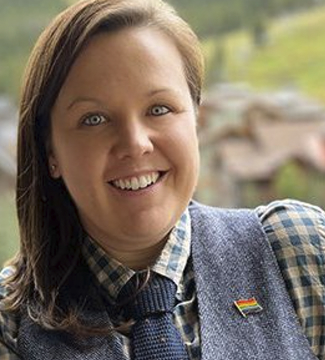
Clinical Associate Professor; Department Chair, CP
stacy.pinto@du.edu
303-871-2832
https://du.digication.com/stacypinto
Katherine A. Ruffatto Hall, 1999 East Evans Avenue, Denver, CO 80208
Stacy Anne Pinto is a Clinical Associate Professor, Chair of the Department of Counseling Psychology, and a core faculty member for the CACREP-accredited online Master of Arts in School Counseling program.
A National Certified Counselor with experience across K–12 schools, higher education and community mental health, she brings real-world counseling expertise into the virtual classroom. Her teaching and research focus on creating inclusive school environments and supporting diverse student populations.
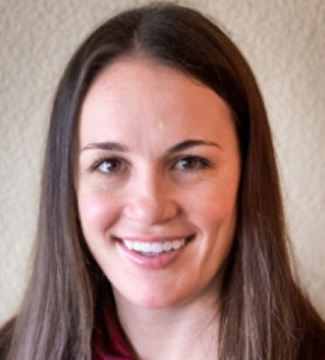
MCE Practicum and Internship Coordinator
Rebecca Breen is a school counselor and counselor educator with experience in community mental health and P–12 education. After working in community mental health across Colorado, Texas and Guatemala, she spent five years as a high school counselor in Aurora, Colorado.
As a member of the American School Counselor Association (ASCA) and the Colorado School Counselor Association (CSCA), she is committed to fostering inclusive, accessible and supportive learning environments.
Jump to:
Careers
Experience
Faculty
Course of Study
Pass Rates
Admissions
FAQs
The curriculum consists of 24 courses (90 quarter credit hours) covering the theories, practices and professional foundations of school counseling across P–12 settings. Coursework addresses areas such as counseling interventions, trauma and crisis, student development, school counseling programs and advocacy.
Throughout the program, you’ll develop the knowledge and practical skills to support students’ academic achievement, career readiness and social and emotional well-being.
By graduation, you’ll be prepared to:
Each course is designed to build the knowledge and practical skills you’ll apply during your practicum and internship experiences, helping you transition confidently from the virtual classroom to the real world.
Your field experience is designed to help you transition from coursework to professional practice. Before beginning your practicum and internships, you’ll work with the field placement team to identify an approved school placement, complete required documentation and prepare for supervised experiences in or near your local community.
You’ll complete 700 hours of supervised field experience, including a 100-hour practicum followed by two 300-hour internships in a P–12 school. Throughout these experiences, you’ll work under qualified supervision while gaining the practical experience required for school counselor credentialing.

Shannon B.
Spring 2023 Graduate | Denver Public Schools’ High School Counselor of the Year
Just a few years ago, Shannon was navigating a career change while balancing work and family responsibilities. Today, she’s an award-winning school counselor serving students at the Gilliam School and was recognized as Denver Public Schools’ High School Counselor of the Year.
“DU’s School Counseling program was a great fit for me. During COVID, I realized I needed a change in my life, so I took a wide left turn in my career and went back to school. This program had a ton of flexibility, which was great as a working mom. I needed a program that would support me working during the day and attending school at night.
It was a full load, but with the support of all the instructors and my family, I was able to complete the program in 2.5 years.
I loved my practicum and internship experience working with the kids. That’s when I knew I was on the right path.
If you’re thinking about a career change or ready to follow your own path, I highly recommend this program.”
Congratulations, Shannon, on this well-deserved recognition!
This program prepares graduates to pursue a School Counselor Credential in Colorado and meets educational requirements for licensure in many other states. Licensure requirements vary by state. Prospective students should review the educational requirements for the state where they plan to pursue licensure.
Please note that this degree prepares you for school counseling credentialing and does not by itself qualify you for independent clinical mental health counseling licensure (LPC) outside of a school setting. Additional state-specific education, supervised experience, and licensure requirements may apply.
Have questions about balancing coursework with your schedule, completing fieldwork or what it’s like to be part of Morgridge College of Education? Connect with a Student Ambassador to hear firsthand about the curriculum, online learning experience, faculty support and student community.
Reach out to the Enrollment Team to connect with a current Student Ambassador and get your questions answered by someone who’s been in your shoes.
Jump to:
Careers
Experience
Faculty
Course of Study
Pass Rates
Admissions
FAQs
Morgridge College of Education seeks thoughtful, motivated applicants who are committed to supporting the academic, career and social/emotional development of P–12 students. Whether you’re starting your path toward school counselor licensure or building on your experience in education, you’ll find a flexible admissions12 process with multiple opportunities to apply throughout the year.
Review admission requirements, application materials and important deadlines as you take the next step toward earning your online Master of Arts in School Counseling.
| Cohort | Priority Deadline | Final Deadline |
|---|---|---|
January 2027 | October 2, 2026 | October 23, 2026 |
June 2027 | March 12, 2027 | April 9, 2027 |
If you’re passionate about supporting students and creating positive change in schools, earning a master’s in school counseling can be a meaningful investment in your future. The program prepares you to pursue school counselor licensure while developing the knowledge and practical skills to support students’ academic, career and social/emotional growth.
A master’s degree can also help you meet the educational requirements for school counselor licensure, depending on the state where you intend to practice. To help you plan for your education, you can also explore tuition, financial aid and scholarship opportunities available through the University of Denver.
Yes. Employers recognize online counseling degrees that meet established accreditation standards and provide meaningful hands-on training.
The University of Denver’s online Master of Arts in School Counseling is accredited by the Council for Accreditation of Counseling and Related Educational Programs (CACREP), demonstrating that the program meets nationally recognized standards for counselor education.
Along with live online classes, you’ll complete supervised practicum and internship experiences in a P–12 school near your community, allowing you to graduate with both the academic preparation and practical experience needed to pursue school counselor licensure.
Yes. The University of Denver’s online Master of Arts in School Counseling is accredited by the Council for Accreditation of Counseling and Related Educational Programs (CACREP). This accreditation reflects nationally recognized standards for counselor education and helps ensure you’re prepared to pursue school counselor licensure and support students in P–12 school settings.
Offered through the Morgridge College of Education, the program combines rigorous coursework, live online classes and supervised field experiences to prepare you for professional practice in today’s schools.
The University of Denver’s online Master of Arts in School Counseling prepares graduates for eligibility for a School Counselor Credential in Colorado and meets the educational requirements for licensure in many other states. Because licensure and credentialing requirements vary by state, you should review the requirements where you plan to practice before applying.
If you’re planning to pursue a state-specific credential, such as California’s Pupil Personnel Services (PPS) Credential, we encourage you to review your state’s requirements and speak with an enrollment team member to better understand how the program aligns with your licensure goals.
An online Master of Arts in School Counseling can prepare you for school counseling and other student-support roles across P–12 educational settings, depending on state requirements and employer qualifications. Potential career paths include school counselor, school-based therapist, director of student life, case manager, college and career counselor, student success coordinator and behavioral intervention specialist.
The program also develops counseling, collaboration and leadership skills you can apply when working with students, families, educators and other school-community partners.
The University of Denver’s online Master of Arts in School Counseling is designed to prepare graduates to pursue school counselor licensure in P–12 educational settings. While the program provides a strong foundation in counseling theory and practice, it is not designed as a direct pathway to independent clinical mental health counseling licensure (LPC).
If your long-term goal is to become a Licensed Professional Counselor, additional coursework, supervised clinical experience and state-specific licensure requirements may apply. We encourage you to review the requirements for the state where you plan to practice and speak with an enrollment team member to discuss your professional goals.
While both degrees can prepare students to pursue school counselor licensure, they may differ in their academic focus. A Master of Education (MEd) typically emphasizes educational leadership, teaching and school systems, whereas a Master of Arts (M.A.) in School Counseling places greater emphasis on counseling theory, professional practice and student development.
The University of Denver’s online Master of Arts in School Counseling combines counseling coursework with supervised practicum and internship experiences, providing preparation for professional practice in P–12 school settings.
Field experience is an essential part of the online Master of Arts in School Counseling. As part of the program, you’ll complete a 100-hour practicum followed by a 600-hour internship at a P–12 school in or near your community, allowing you to apply what you’ve learned in real-world school settings under professional supervision.
The University of Denver works with students to support the field placement process and help identify appropriate practicum and internship opportunities that meet program requirements. While all coursework is completed online through live classes, you also have the option to participate in an on-campus immersion experience to connect with faculty and classmates.
Many students continue working while earning their degree and the online format is designed to provide flexibility for working professionals. However, the program is academically rigorous, and you’ll also need to complete supervised field experiences as part of your training.
During your practicum and internship, you’ll complete fieldwork in a P–12 school in or near your community. Because these experiences typically take place during school hours, some students find it helpful to adjust their work schedule or arrange for greater flexibility with their employer while completing this portion of the program.
Completion time depends on the program and the pace you choose. At the University of Denver, full-time students can complete the online Master of Arts in School Counseling in as few as 22 months, while a part-time option is also available for those balancing work and other commitments.
Throughout the program, you’ll complete 24 courses (90 quarter credit hours), along with a 100-hour practicum and a 600-hour internship, preparing you to pursue school counselor licensure and support students in P–12 school settings.
All coursework in the University of Denver’s online Master of Arts in School Counseling is completed online through live, interactive classes and there are no required on-campus visits to graduate. If you choose, you can participate in an optional immersion experience on the University of Denver campus to connect with faculty and classmates.
As part of the program, you’ll also complete a 100-hour practicum and a 600-hour internship at a P–12 school in or near your community. These supervised field experiences are required and provide the hands-on training needed to prepare for school counseling practice.
Yes. In most states, becoming a school counselor (sometimes referred to as a guidance counselor) requires a master’s degree in school counseling or a closely related field, along with meeting state-specific licensure or credentialing requirements.
The University of Denver’s online Master of Arts in School Counseling is designed to prepare graduates for eligibility for a School Counselor Credential in Colorado and meets the educational requirements for licensure in many other states. Because licensure requirements vary, we encourage you to review the requirements for the state where you plan to practice before applying.
Program information, tuition, licensure requirements, curriculum, application deadlines, and admissions policies are reviewed periodically and may change. Please consult your enrollment team for the most current information.
University of Denver partners with 2U to support the delivery of these online programs. University of Denver has full control over the programs, including all core academic functions. Click here to learn more about 2U’s roles and responsibilities.